Gas Power Generation in UAE & GCC
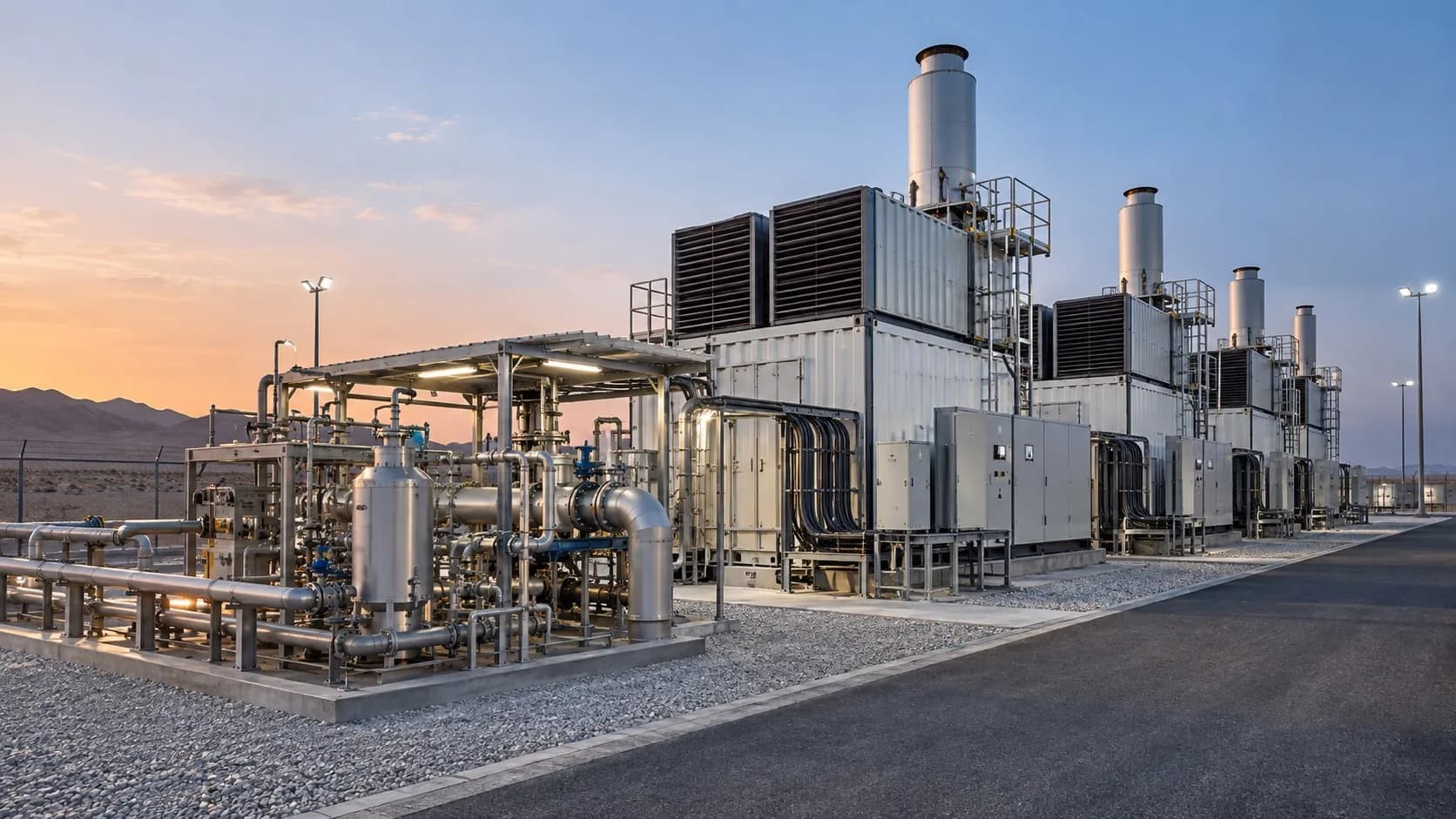
SINTAQA engineers and delivers gas-fired power generation using pipeline natural gas, CNG, LNG or associated gas. Scope can include feasibility, gas conditioning, gas engines, electrical infrastructure, EPC, commissioning, spare parts and long-term O&M.
- Gas sources: pipeline, CNG, LNG and associated gas
- 4
- Turnkey delivery through commissioning and handover
- EPC
- Long-term service agreements
- O&M
- Commercial structures besides EPC
- PPA · BOOT
How does gas-to-power work?
Gas arrives from a pipeline, CNG trailers, LNG storage or an oil field; a pressure reduction and metering station and conditioning equipment bring it to the pressure, temperature and quality the engines need; gas engines drive generators; transformers and switchgear deliver the electricity to the load or the grid.
- Gas supplyPipeline, CNG, LNG or associated gas
- Pressure regulationPRMS: reduction and metering
- Gas conditioningFiltration, heating, treatment
- Gas engineReciprocating gas engine gensets
- GeneratorSynchronised on a common bus
- Transformer / switchgearStep-up, protection
- Load or gridSite consumption or export
Which gas sources can be used for power generation?
Four supply routes cover most sites. Which one fits depends on whether a pipeline exists, how far the gas must travel and how much power the site needs.
| Source | Supply route | Plant-side equipment | Typical fit |
|---|---|---|---|
| Pipeline natural gas | Network connection at the site boundary | PRMS, metering, conditioning | Industrial sites on the gas grid |
| CNG | Compressed gas in tube trailers (virtual pipeline) | Decompression PRMS, heating | Sites without a pipeline, moderate demand |
| LNG | Road or marine delivery, cryogenic storage | Storage tanks, vaporisers, conditioning | Larger or remote demand without a pipeline |
| Associated / flare gas | Gas from oil production | Treatment, liquids removal, compression | Oil field power, flare reduction |
What gas engine technology is used?
Reciprocating gas engine generator sets in modular or containerised packages, synchronised on a common bus like a diesel plant. Engines are selected for the gas composition and the load; where the site can use heat or cooling, jacket-water and exhaust heat are recovered for combined heat and power (CHP).
How is a gas power plant connected to the site?
Through the same electrical chain as any power station: synchronising and power management, LV and MV switchgear, step-up transformers where needed, protection coordination and cabling to the connection point, with grid studies where the plant runs in parallel with a utility.
01 — EPC
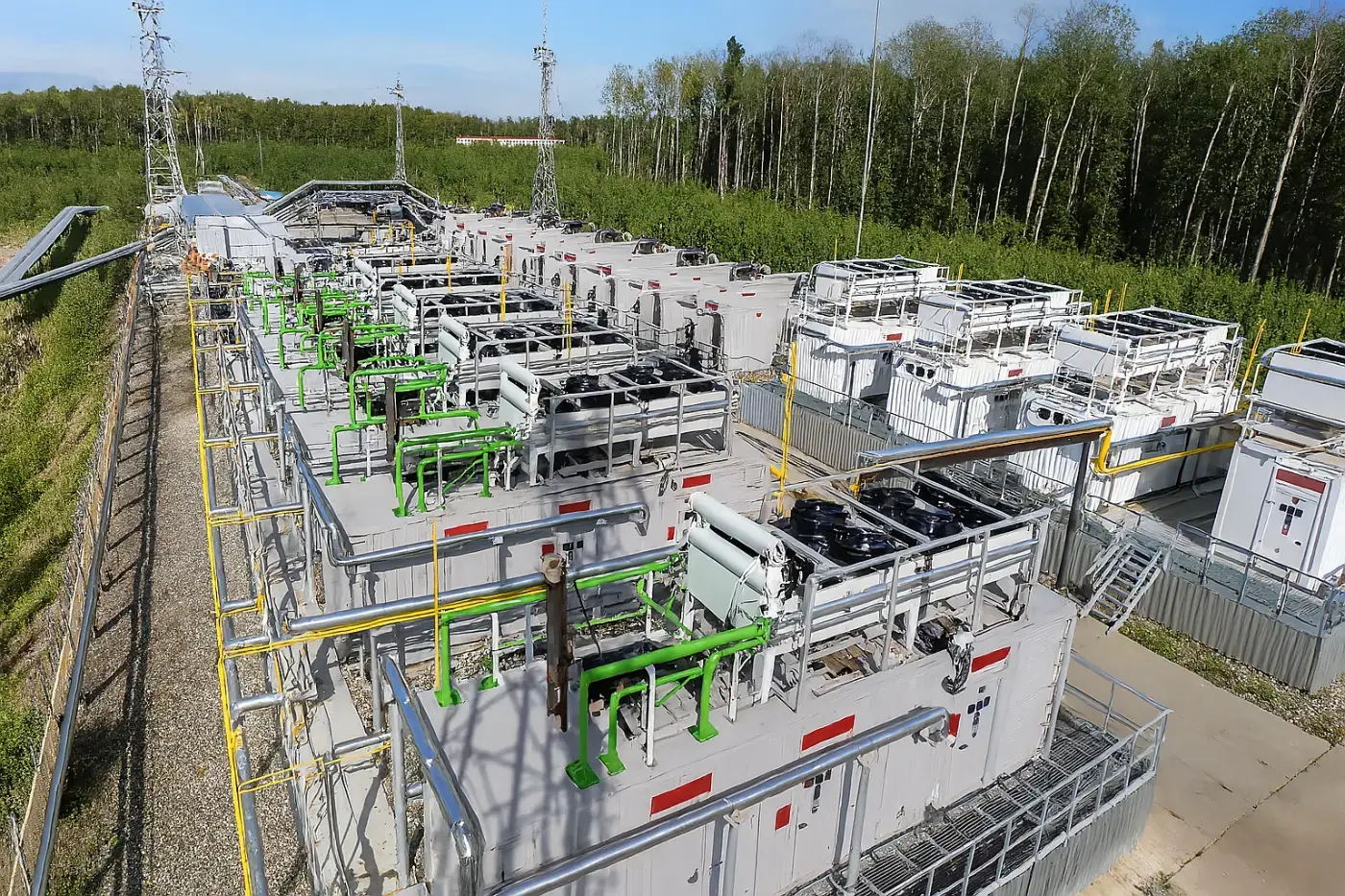
EPC, installation and construction of gas power plants
We deliver turnkey gas power projects, from greenfield sites to plant extensions and modernisation of existing facilities.
We work to international standards and local regulations, with a strong focus on safety, constructability and long-term serviceability of all installed equipment.
Our scope includes:
- Engineering and plant design
- Equipment selection and integration of gas engines, auxiliaries and balance of plant
- Civil works, foundations and building structures
- Installation of mechanical and electrical systems
- Integration with existing networks, process systems and utilities
- Commissioning, performance testing and handover
02 — FUEL SOURCES
Gas-to-power for every fuel source.
Pipeline natural gas
Pressure regulation, metering and gas conditioning feeding a modular gas-engine plant at the point of use.
CNG-to-power
Compression, CNG tube trailers and a pressure reduction and metering station (PRMS) where there is no pipeline.
LNG-to-power
LNG storage, regasification and gas conditioning for a gas-engine power plant.
Associated & flare gas
Gas treatment and generation that turn associated petroleum gas into captive power for oil field operations.
03 — THE CHAIN
From gas supply to your switchboard.
- 01Gas networkSupply at site boundary
- 02Pressure regulationMetering and PRMS
- 03Gas conditioningFiltration, heating, treatment
- 04Gas generationGas engine gensets
- 05Electrical infrastructureTransformers, switchgear
- 06Consumer / gridIndustrial load or export
Pipeline natural gas, regulated and conditioned, feeding a modular gas-engine plant at the point of use.
04 — PARTS AND SERVICE
Keep the plant performing.
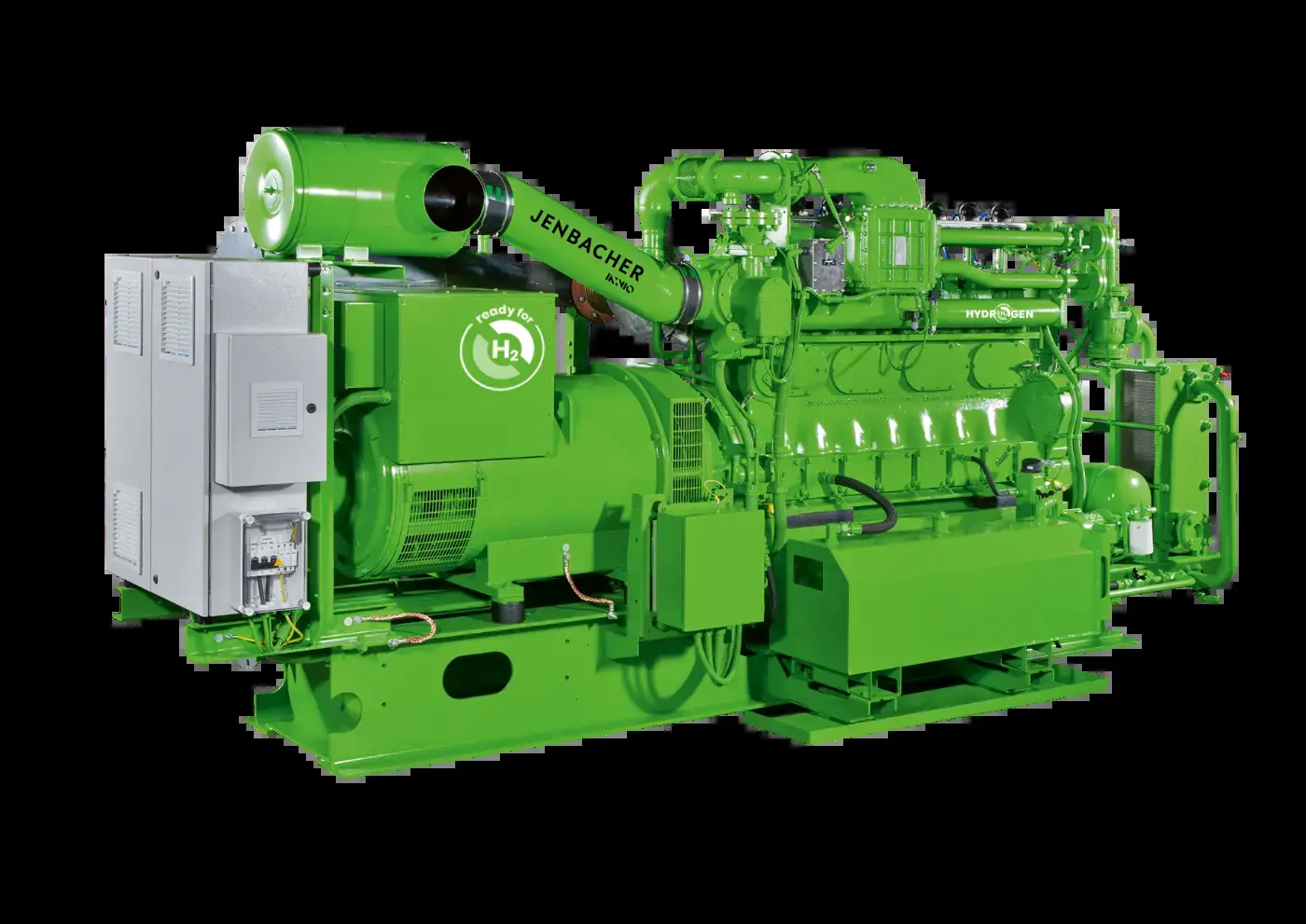
Gas engine spare parts
We supply spare parts and related components for gas engine power plants.
- Critical and fast-moving spare parts for major gas engine platforms
- OEM and aftermarket parts, including pistons, liners, valves, turbochargers and ignition systems
- Auxiliary equipment spares, including coolers, pumps, filters, control components and sensors
- Priority sourcing for urgent breakdowns, with delivery time confirmed per request
- Technical support in parts selection, interchangeability and upgrade recommendations
Holding critical parts and sourcing directly shortens lead times for planned and urgent work. Spare parts →
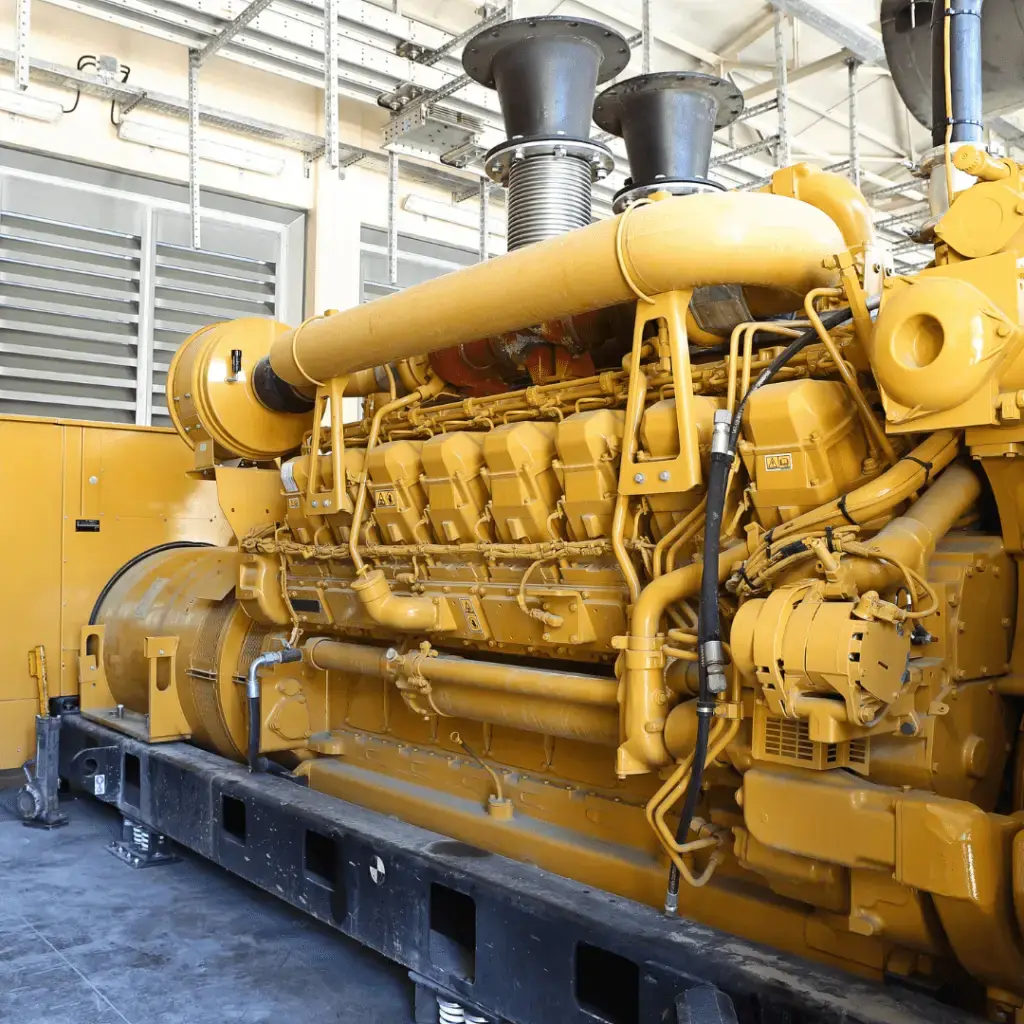
Service, maintenance and long-term support
Reliable gas power generation requires structured, professional maintenance. SINTAQA provides full service support throughout the lifecycle of the plant. We structure maintenance plans to minimise downtime, extend asset life and protect the investment value of your gas power plant.
- Preventive and predictive maintenance programmes based on engine hours and operating conditions
- Corrective maintenance and troubleshooting, including on-site interventions by experienced field engineers
- Major overhauls and component replacement according to OEM standards
- Remote monitoring and diagnostics, with recommendations for performance optimisation
- Training of client personnel in operation and basic maintenance procedures
05 — END TO END
End-to-end coverage for gas power projects.
SINTAQA can take responsibility for the entire gas power value chain, from initial idea to stable operation. Depending on client needs, our scope can include the following stages.
Commercial structures include EPC, O&M, PPA and BOOT. We act as a single point of contact and accountability for gas-based power generation.
Discuss your projectFeasibility studies and concept development
Grid connection studies and coordination with utilities
Technical and commercial plant configuration
EPC delivery and commissioning
Spare parts supply and inventory strategy
Operation and maintenance under long-term service agreements
Modernisation, efficiency upgrades and repowering
How can a gas power plant be contracted?
As EPC, where the client owns the plant; with O&M under a long-term service agreement; or as a PPA or BOOT, where the plant is financed, built and operated for the client, who pays for energy or availability.
| Model | Who owns the plant | Who operates | Client pays for |
|---|---|---|---|
| EPC | Client | Client or SINTAQA under O&M | The delivered plant |
| O&M | Client | SINTAQA | Service fee, often with availability KPIs |
| PPA | Plant owner / investor | Plant owner | Energy delivered (per kWh) |
| BOOT | SINTAQA or partner, then transferred | SINTAQA or partner | Energy or availability for the contract term |
Where does gas power generation make sense?
Where a site runs a large load for many hours a year and gas is available: industrial plants, oil and gas fields with associated gas, remote operations that can receive CNG or LNG, and facilities that can use recovered heat or cooling.
For short-term or fast-track needs, diesel generator rental or a temporary power plant is usually the quicker route; for oil field applications see power for oil & gas.
Gas power generation: technical FAQ
What gas sources can a gas power plant use?
Pipeline natural gas, CNG delivered by road (a virtual pipeline), LNG with on-site regasification, and associated or flare gas from oil fields after treatment. The gas composition and supply pressure decide the conditioning equipment and the engine choice.
What is a PRMS?
A pressure reduction and metering station. It reduces gas from the supply pressure (pipeline or CNG trailer) to the pressure the engines need, meters the flow and usually includes filtration, heating and safety shut-off valves.
Is gas generation cheaper than diesel?
For long-running loads with an available gas supply, usually yes: gas typically costs less per kWh than diesel, and engines can recover heat for CHP. Diesel rental remains faster to deploy and better for short or temporary needs. The comparison depends on local gas and diesel prices and running hours.
What commercial models are available for gas power plants?
EPC (you own the plant), O&M under a long-term service agreement, and PPA or BOOT structures where the plant is financed, built and operated for you and you pay for the energy or availability.
Can a gas plant recover heat (CHP)?
Yes. Combined heat and power recovers heat from engine jacket water and exhaust for process heat, hot water or absorption cooling, raising overall fuel use efficiency. Whether CHP pays back depends on having a steady heat or cooling demand on site.
Technical content prepared and reviewed by the SINTAQA Engineering Team, Dubai. Last updated September 2026. Configurations shown are indicative; every project is engineered to its own load, site and standards.
Discuss your gas power project
Tell us about the available gas, required power and site. We will come back with the next steps.